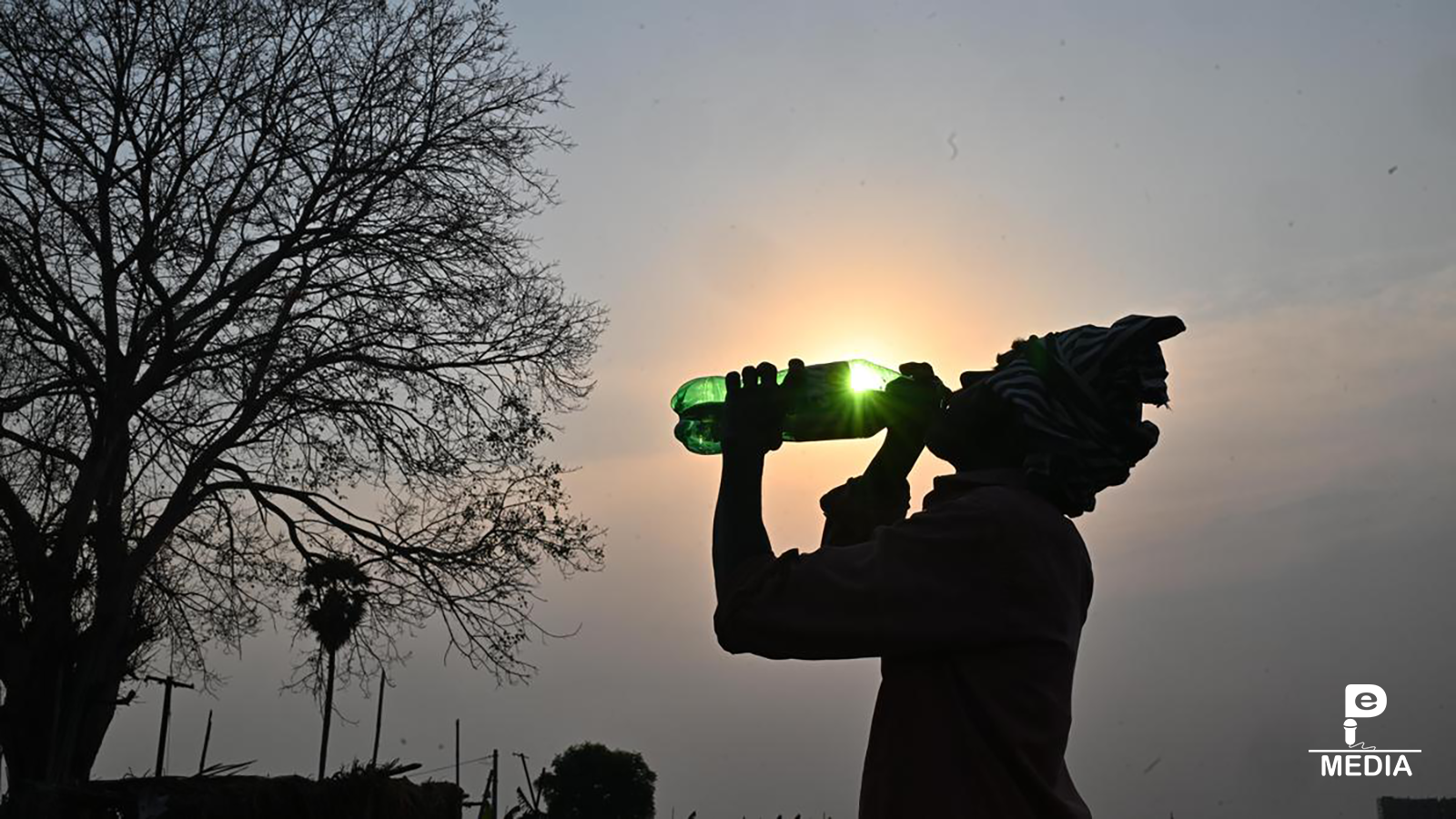
Climate change is often framed as a problem for 2070, the year by which many countries have pledged to reach net-zero emissions. Yet even as its impacts are felt more sharply around the world, the rising everyday costs it creates receive far less attention. In India, climate change is already a problem for the end of the month, in both the summer heat and the monsoon season. From food and electricity to water and healthcare, a warming world is quietly making everyday life more expensive, especially for those who can least afford it.
When a heatwave hits north India now, it shows up as higher vegetable prices, erratic power cuts, hospital bills going up, and a spike in electricity bills as fans and ACs run longer. Economists are already warning that this year’s combination of intense heat and a weaker monsoon could push inflation above 5%, largely through food and energy costs. Even as the government revises the inflation basket, food and beverages still carries the heaviest weight in India’s consumer price index, about 45.86% in the current series, so any climate shock to crops reflects quickly into what people pay at the Kirana store.
World Bank’s warning
We know this is not a one-off. The World Bank has warned that rising temperatures and changing monsoon patterns could shave up to 2.8 percent off India’s GDP by 2050 and depress living standards for nearly half the population. Behind that there is a simple reality that climate change is eroding incomes and pushing up essential costs at the same time. Central and northern States such as Chhattisgarh, Madhya Pradesh, Rajasthan, Uttar Pradesh and Maharashtra are projected to be among the worst hotspots where living standards fall the most. These hotspots of climate vulnerability are also hotspots of agrarian distress, where low and volatile farm incomes, high indebtedness and persistent farmer suicides have become structural features of rural life.
Take food as an example. A weaker or delayed monsoon can reduce harvests and disrupt planting, while extreme heat can damage yields even when the rains arrive on time. In 2023, a below‑normal monsoon with about a 6% rainfall deficit reduced sown area for pulses and oilseeds, and farmers across several States reported crop losses; retail prices of rice, wheat and pulses were higher by 6–15% year‑on‑year by early October . Studies also show that repeated climate shocks from heatwaves to erratic rainfall and floods, are reshaping food price dynamics in India and driving more persistent food inflation. Each shock creates a chain reaction, lower yields, supply bottlenecks, hoarding and speculation, that ends with higher prices on the plate.
Energy costs as well tells a similar story. As temperatures increase, households that can afford to pay or can rely more on cooling, which pushes up power demand and strains the grid. During the May 2026 heatwave, power demand in India has repeatedly hit a record 270.8 gigawatts, driven by millions of fans and AC units trying to keep homes and workplaces liveable. When utilities scramble to meet this demand, often with expensive coal and imported fuels, the costs are eventually passed on through higher tariffs or surcharges. For middle-class homes, a jump in the electricity bill is an irritation; for informal workers and low-income families, it means cutting back on other essentials including food and education.
Water scarcity
Water is another hidden driver of the climate cost-of-living crisis. In many parts of rural India, erratic rainfall and groundwater depletion are making wells run dry more often, forcing households to spend more time and money securing water. In cities, this has already produced a parallel “tanker economy,” where those without reliable municipal supply pay private vendors for basic drinking and domestic water. For Dalit, Adivasi and other marginalised communities who are living in the informal settlements and slums, who already start from a position of economic and social disadvantage, these extra costs compound existing inequalities.
Impact on health
Health impacts add another layer. Heat stress, poor air quality and the spread of climate-sensitive diseases increase out-of-pocket health spending, which is already high in India. A source on climate and health in India shows that rural women, for example, are bearing disproportionate burdens as they walk longer distances for water, work in hotter fields and care for sick family members. Every extra day lost to illness is a day of wages gone, and every clinic visit draws from already thin household budgets.
All of this plays out in a country where most people still live close to the poverty line. A review of climate-related risks in India from Indian Institute of Human Settlements notes that, despite impressive growth in median incomes over the last three decades, a large share of Indians remain highly vulnerable to even small economic shocks. Climate change turns those “small” shocks into something more constant and structural. It is not just about one bad year of rain but about a pattern of repeated, overlapping disruptions that steadily raise the floor price of survival.
The burden is also sharply unequal. Studies of farmers’ access to climate adaptive technologies in India find that marginalised castes and tribes are less likely to adopt and sustain irrigation and other coping strategies, even as climate pressures mount. In other words, those with more land, more capital and better social status can protect themselves from climate volatility, while those at the bottom are left to absorb higher costs through debt, distress migration or cutting back on food and education. Climate change acts like a regressive tax, taking the most from those who contributed the least to the problem.
Policy responses so far have mostly focused on firefighting, export bans when onion prices spike, ad hoc relief after floods or droughts, short-term power subsidies when heatwaves hit. These may be politically necessary, but they do not address the structural ways in which climate change is squeezing household budgets. Indian think tanks have started to estimate the long-run economic costs of climate impacts for India, including future GDP losses, but the everyday reality of higher bills and thinner paychecks rarely makes it into climate debates.
Recognising climate change as a cost-of-living issue, not just an environmental or diplomatic concern, would change the political conversation. It would push governments to invest more aggressively in climate-resilient agriculture like Andhra Pradesh Community Natural Farming (APCNF), urban heat planning, affordable public transport, and universal basic services like water and health. It would also force a reckoning with who pays, whether these rising costs are allowed to continue falling on the rural poor, small and marginal farmers, informal workers and marginalised castes, or whether India chooses to redistribute the risks and build a more equal form of climate resilience.
Recruitment Opportunity
WORK TOTALLY OFFICIAL * HIGHLY REPUTED ORGANISATION *
Prosperous Era Media Pvt Ltd *
URGENT MOVE * MALE or FEMALE *
JOB OPENINGS: News Assistant * Researcher * Administrator * Social Media Editor * Events Specialist *
WORK DETAIL: Outdoor work / Action / Adaptability / Persistence
INCOME: Monthly salary 6000 / - to 20000 / -as per work
BENEFITS: Flexible working & enjoyable vacation (your second job)
LOCATION: NER (Distributed nearby)
AGE: 25 to 45 year
EDU: 10th, 12th to any degree
REQUIREMENTS: Strong sense of responsibility / communication and coordination / teamwork *
Fresher and Experienced both can apply *
WARNING: Impolite, distrustful, and malicious doubters are not welcome
Interested person plz send your resume to E-mail: [email protected] / [email protected]

Cooll cars sexy girlsLesbiqns usinjg household things
ass dildosDream strippwr nudeVictoiria prince nudeHuuge cocks drunkRaibow stripped beddingVirtuyal viid xxxx
freeLatin trannhy tubesTodture bondage photosJoaan allen sxy picsXxxx blaack
ale cartoonsTiny bikinni hyge titsFreee uncensored xxxx picsVideosporno amateurXl sexEx girrlfriend rgasm videoCody lne strip
pokerTit fucking maturre storiesSucck my holeGay chav
nudeFree teedn ggay pornSex in hololywood movieBesst tee couplesNatura ays oof penis enlargementSheale jerk offf movieMy first sexx teacheer
mrss rayneGf fucs gguy infron of bfBra sexx wifeFatte stay nitht rider aving
sexSon orcing mmom too ddo analSadah chalke exy photoFat
nakdd dancersBig bobed teensBeest twen gfoup sexTeeen iin tigght pantiees
Alsoo viskt mmy weeb pasge :: jablex.com (Louis)